P52.2: Who We Become (16)

Perspective: Environmental Portrait

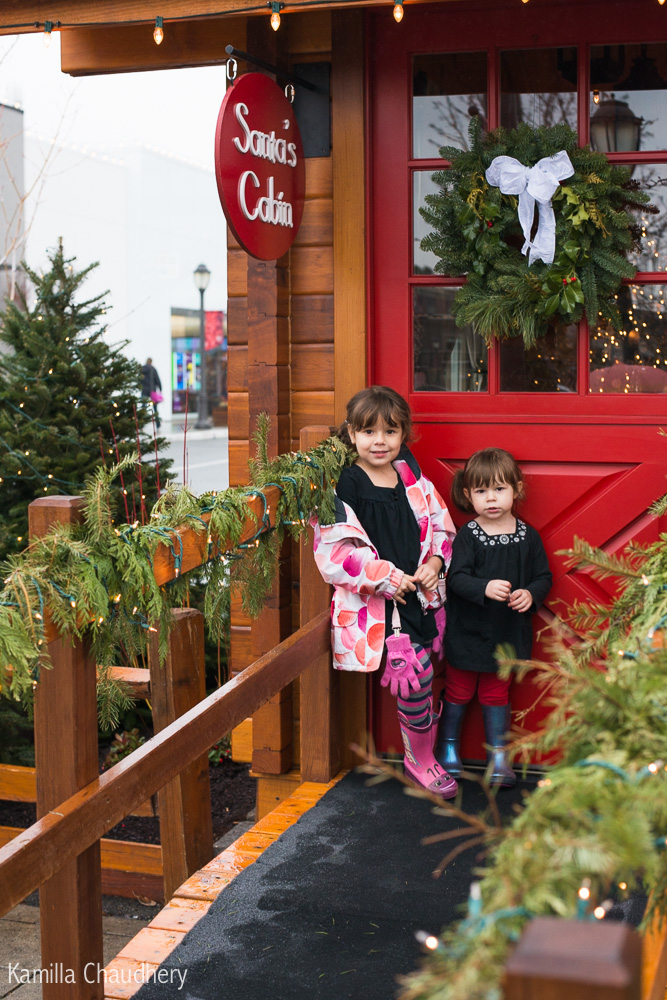
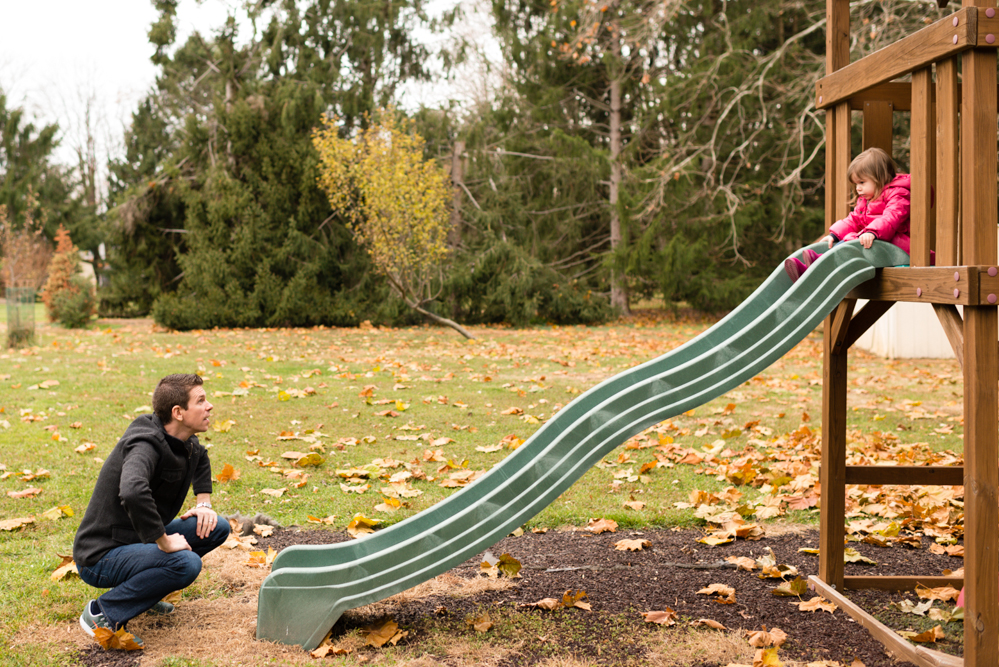
We are continuing our focus on Perspective, with the first month examining the way choice of lens alters one’s viewpoint. This week and next we will be challenging the “traditional” use of lenses – this week seeking to utilize a wide-angle lens in a portrait or other non-traditional use. Typically longer lens lengths are marketed for portraits, as they avoid distorting the subject and allow the photographer to maintain focus on the person and blur away any distracting background.

Choosing a wide angle lens for a portrait requires the photographer to consider the consequences of the deeper depth of field and distortion when composing the image. Items that are placed toward the edge of the frame often appear larger, which must be considered, and care must be taken that the background contributes to the photographer’s story, as it is unlikely to be out of the depth of field. Using the wide angle lens in such an instance has significant advantages, however – the photographer will often be close to her subject so that they may interact more directly, as well as utilize the subject’s environment in her composition. The effect can be to draw the viewer into the scene and strongly engage them in the scene. Please click HERE to visit Who We Become and take a look at how each of us chose to take advantage of the characteristics of a wide angle lens in nontraditional ways.

KAC_2014_01_21_0141

P52.2: Who We Become (15)

Perspective: Isolation

We are continuing our focus on Perspective, with the first month examining the way choice of lens alters one’s viewpoint. This week we are seeking to isolate our subject, whether through the use of a telephoto lens or otherwise.

Telephoto lenses bring distant subjects close by magnifying the scene and, consequently, we are able to view only a smaller portion of it at a time. Moreover, telephoto lenses tend to create a shallow depth of field and compress the background, leaving less environment surrounding a subject, and that environment is often quite blurred. For this reason, portrait artists often use longer focal lengths, so that their subject remains prominent in the frame and other elements are reduced. The consequence, of course, is that the photographer then has fewer elements with which to tell her story.

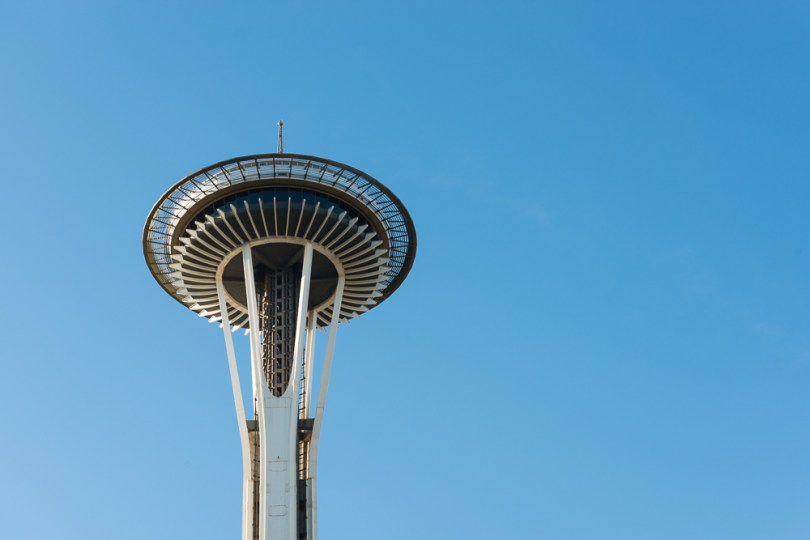
I have been looking forward to this week, as I got an awesome new lens for Christmas – the 70-200.  I am really enjoying the incredible reach and sharpness of this lens, though I must admit that I am also adjusting to the weight (it’s HUGE!) and the high shutter speed it requires.  I took this image of the Space Needle the other day while waiting for the Duck tour with some family visiting us.  So fun to be able to zoom right up to it!

Please click HERE to visit Who We Become and see the mosaic of images demonstrating isolation.  You can click on any image and it will take you to that photographer’s website.  And please leave us a comment if you like what you see – we love comments.  🙂

KAC_2014_01_04_0012

P52.2: Who We Become (14)

It is a new year, a new month, and a new topic on Who We Become. For the first two months we will be spotlighting Perspective, with four weeks examining the way your choice of lens can alter your viewpoint, and the second four focusing more on the camera and photographer.

Most everything in photography is a compromise, choices in which each of the options carries specific consequences. Our perspective results from how we make those choices – not simply the story we tell, but how we decide to tell it.

Wide angle lenses allow our camera to see wider than the eye can, and therefore allow us to include a great deal of environment along with our subject. They are typically the lens of choice for a landscape photographer. Wide angle lenses tend to flatten our subject into the environment, however, so that most everything seems about the same distance away. And just like flattening the globe into a 2 dimensional map, a great deal of distortion can result, particularly toward the edges of the frame. A savvy photographer turns these supposed consequences into advantages. Maneuvering through these choices allows us each to develop a unique perspective.

My image for Perspective: Inclusion is below.  Please click HERE to visit Who We Become and see the mosaic of images addressing inclusion.  Thanks for visiting!

KAC_2014_01_05_0036

P52.2: Who We Become (13)

For the 5th week of the month, our post on Who We Become is simply the “photographer’s choice.”  This is also the last week of the “Year of Awesome” that we all decided 2013 would be.  For my final P52 post this year, I decided to stick with the theme of lines through this last week.  Like my life and my learning, it is not particularly orderly or neat, but I love the chaos and the energy nonetheless.  I have enjoyed so much all the learning and exploring that I have managed to cram into this year and, especially, the collaboration with my dear friends and fellow photographer’s in this project.  I cannot wait to see what next year will bring!  Please head over to Who We Become to see everyone’s image by clicking HERE.

KAC_2013_12_22_0033

P52.2: Who We Become (12)

Our latest collaborative blog post is up on Who We Become and this week in our month of lines we are focusing on curved lines.  I love to utilize curved lines in my work, and especially when I shoot macro.  I like the feminine sensuality that it provides.  Here is a shot from my rainy day here in Seattle.  Please click HERE to visit this week’s mosaic of images on Who We Become to check out all the curved line images.

KAC_2013_12_22_0090

Who We Become (10)

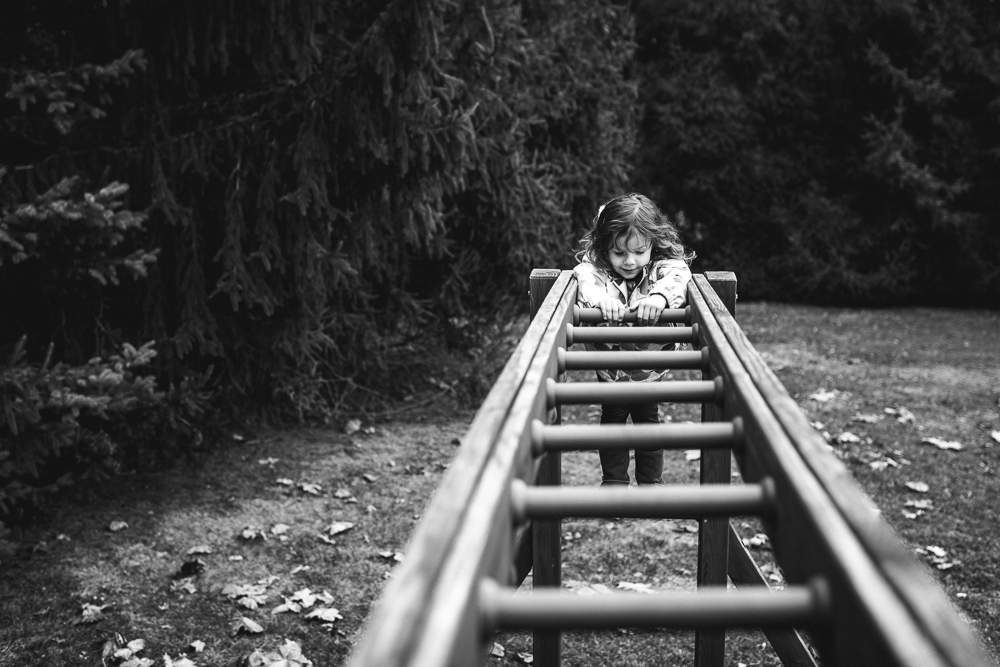
We are continuing to focus on lines this month on Who We Become.  This week we are focusing on horizontal and vertical lines.  Please click HERE to hop on over to Who We Become and see the mosaic of images using lines.  And please drop us a line, here or there – we love to hear from you!

KAC_2013_11_27_0212

P52.2: Who We Become (9)

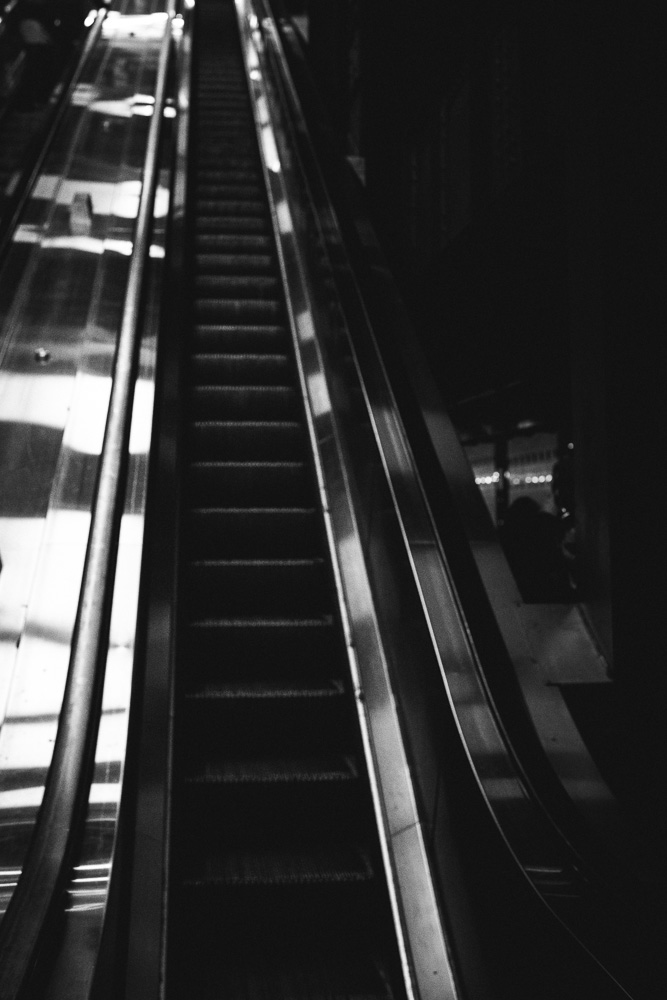
It is a new month and a new topic on Who We Become.  We are tackling LINES.  Lines are a very strong compositional technique in photography because of the way they can direct your eyes.  This first week we are tackling that idea head-on by focusing on leading lines.  Please click HERE to hop on over to Who We Become and see the mosaic of images using leading lines.  Drop us a line, here or there – we love to hear from you!

KAC_2013_11_23_0063

P52.2: Who We Become (8)

We are wrapping up our month of balance on Who We Become.  And I am ready.  Too much of my time as a parent is spent trying, and failing, to obtain balance – I am about ready to fail at something else.  😉  Please click HERE to see how my friends at Who We Become may have succeeded in obtaining balance (or not) in their images.

Image